News and Insights
Employment Law Insights Blog | John J. Zidziunas & Associate
Disclaimer: This blog is for informational purposes only and does not constitute legal advice. Please consult an attorney about your specific situation.


Remote work has become a common accommodation request for employees with disabilities. This post looks at when working from home qualifies as a reasonable accommodation, how employers evaluate these requests, and what changed after the shift to widespread remote work.

Employees have the right to practice their faith at work and to request accommodations for religious observance, dress, and grooming. This post explains the protections under federal and New Jersey law, what employers must do, and how to handle a denied request.

Not every rude boss or unpleasant workplace amounts to an illegal hostile work environment. This post breaks down the legal standard courts apply, the difference between offensive behavior and actionable harassment, and what evidence strengthens a claim.

New Jersey's Law Against Discrimination requires employers to provide reasonable accommodations to workers with disabilities unless doing so creates an undue hardship. This post explains who is covered, what counts as a reasonable accommodation, how the interactive process works, and what to do if your employer refuses to engage.
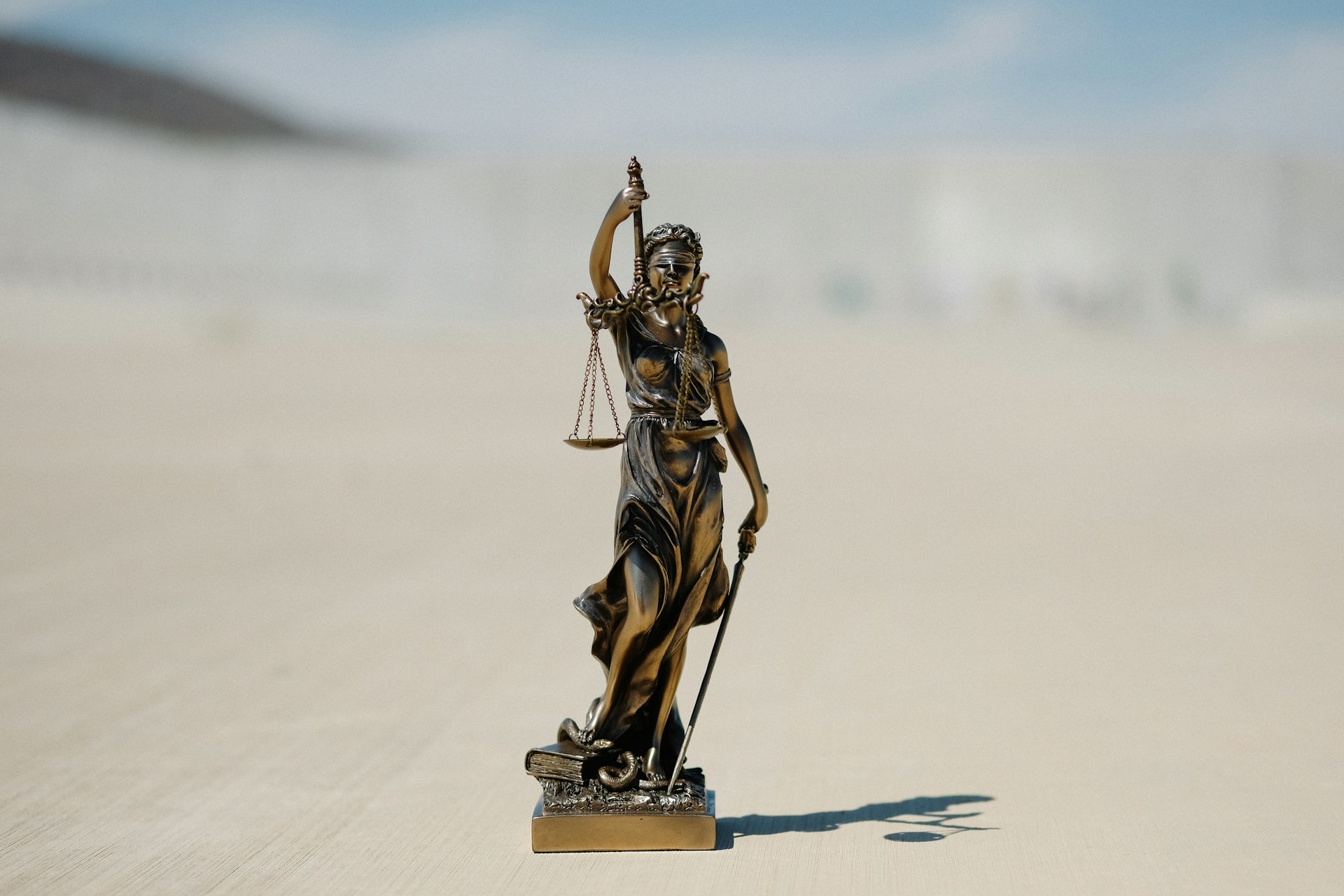
Sexual harassment and assault can still be legally “work-related” even if it happens after hours or offsite—at parties, conferences, client dinners, or during travel. This article explains the work-connection factors that matter in NY, FL, and NJ, plus what evidence to preserve and how to protect yourself from retaliation.

Sexual harassment in medical and dental practices often involves extreme power imbalance—especially when the harasser is the practice owner. This article explains common patterns, retaliation red flags, how to document discreetly, and safer reporting options for workers in NY, FL, and NJ.

Sexual harassment in private equity and finance often involves powerful rainmakers, off-hours events, and retaliation disguised as staffing or bonus decisions. This guide explains how to document misconduct, report strategically, protect confidentiality, and avoid signing harmful agreements while preserving your career in NY, FL, and NJ.

Sexual harassment cases in media, fashion, and entertainment often involve powerful gatekeepers, off-hours networking, travel, informal hiring, and freelance roles—factors that can increase risk and complicate reporting. This article explains what makes these cases different in NY, FL, and NJ, what evidence matters most, and how to protect your career while protecting your rights.
.jpg)
Sexual harassment cases in media, fashion, and entertainment often involve powerful gatekeepers, off-hours networking, travel, informal hiring, and freelance roles—factors that can increase risk and complicate reporting. This article explains what makes these cases different in NY, FL, and NJ, what evidence matters most, and how to protect your career while protecting your rights.

Employers in NY, FL, and NJ may still be liable when harassment comes from clients, customers, or VIPs—especially if they knew (or should have known) and failed to take reasonable steps to stop it. This article explains common scenarios, what employers should do, and how employees can document harassment and retaliation.